The short answer
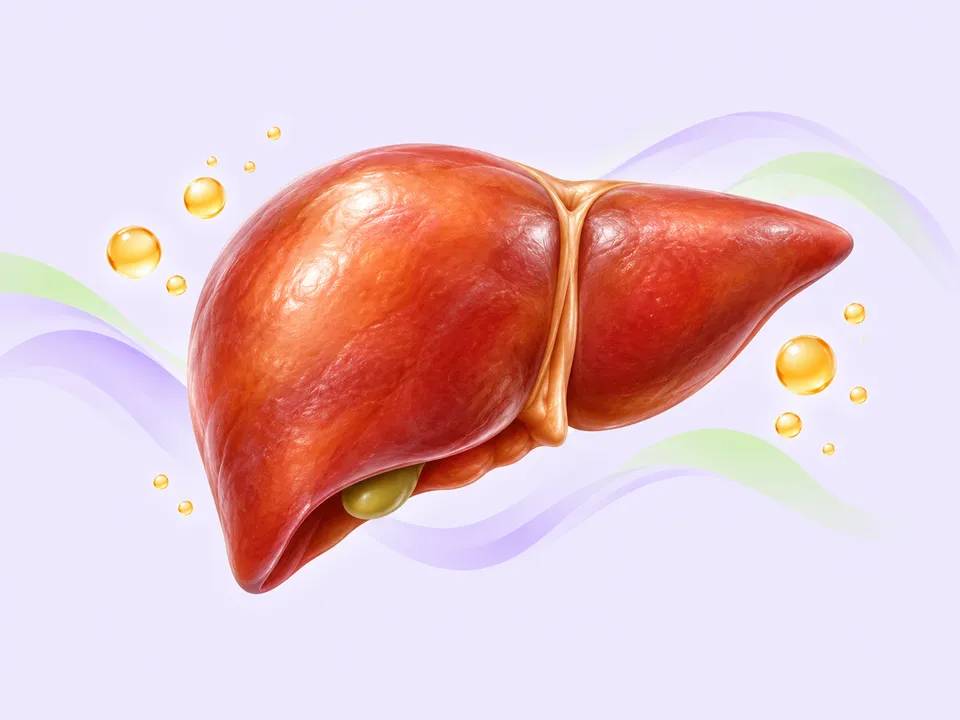
Fatty liver disease describes excess fat in the liver. MASLD stands for metabolic dysfunction-associated steatotic liver disease. It is the newer name for the condition many people know as NAFLD, or non-alcoholic fatty liver disease. You may still see the older name in letters and online information.
The name is a starting point, not a complete account of your health. Your clinician can explain the cause and whether there is evidence of inflammation or scarring. Cambridge University Hospitals explains the terminology and progression.
Why symptoms are not the whole story
People can have fatty liver disease with few or no symptoms. Some experience tiredness or discomfort in the upper-right abdomen, but these symptoms are not enough to diagnose it. Metabolic health, genetics and other factors can play a part. Alcohol and other conditions can also contribute to liver fat, so an assessment matters. NIDDK: symptoms and causes.
Feeling well is welcome, but it does not replace follow-up. Equally, feeling tired does not tell you that fatty liver is the cause. Avoid trying to work out the stage of disease from a symptom list.
What tests can tell you
Assessment may involve medical history, blood tests and imaging. Different tests answer different questions: finding liver fat is not the same as establishing how much scarring is present. Your healthcare team may use additional assessment to investigate fibrosis. NIDDK: diagnosis.
It can help to take a short list of questions rather than trying to interpret every result alone:
- What is the full name of my diagnosis?
- What have the tests shown, and what is still uncertain?
- Have you assessed my risk of scarring?
- Which changes are appropriate for me?
- What is the follow-up plan?
A clearer next step
Write down the words used in your appointment and ask for clarification when they are unfamiliar. Keep your results together, but let the clinical team interpret them in context.
Our diet article looks at another common question: what matters when thinking about food? It is general education, not a substitute for individual advice.
Sources and further reading
NIDDK’s linked patient pages were last reviewed in April 2021; they remain useful background explanations, rather than a source for current medicine availability. This article is not independently medically reviewed.
Keep learning, with your care team involved.
Back to all articles